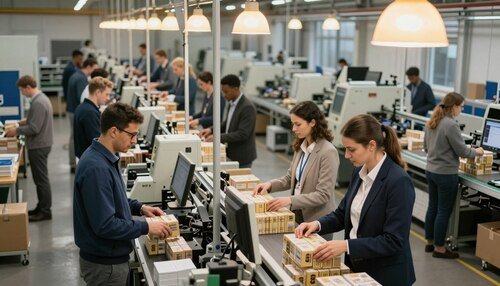
Are you looking for a fresh start in a thriving European economy? You can now secure high-paying factory jobs in Poland that offer competitive compensation packages reaching over $48,000 annually. This is a unique chance to advance your career while living in a country known for its rapid industrial growth and high quality of life.
Navigating the move abroad might seem complex, but obtaining the right Visa Sponsorship makes the process much smoother. This legal support acts as your gateway to a stable professional future. By securing this documentation, you gain the freedom to focus on your new role without the stress of administrative hurdles.

Many international workers are finding success in packing line jobs within the manufacturing sector. These positions provide consistent hours and a clear path for professional development. If you are ready to leverage your skills in a new environment, Poland offers the perfect balance of opportunity and stability through reliable Visa Sponsorship.
Key Takeaways
- Earn over $48,000 annually in Poland’s growing industrial sector.
- Access stable career paths through specialized manufacturing roles.
- Utilize professional support to simplify your international relocation.
- Benefit from a high quality of life in a thriving European economy.
- Gain valuable experience in efficient, modern packing line environments.
The Growing Demand for Foreign Labor in Polish Manufacturing
You might be surprised to learn that Poland is actively seeking international expertise to fill its growing production lines. The country has transformed into a central hub for European industry, leading to a surge in manufacturing recruitment efforts. As factories expand their capacity, they are looking beyond local borders to find the talent necessary to maintain high output standards.
Economic Shifts Driving Recruitment
The Polish economy has experienced consistent growth over the last decade, fueled by a massive influx of foreign investment. This rapid industrialization has created a critical gap in the workforce that local hiring cannot fully address. Consequently, the foreign labor demand has become a primary focus for major industrial players looking to sustain their competitive edge.
Several factors contribute to this trend, including the modernization of supply chains and the rise of high-tech assembly plants. These developments require a steady stream of skilled professionals who can adapt to fast-paced environments. The following table highlights the key drivers currently shaping the Polish labor market:
| Economic Driver | Impact on Hiring | Growth Potential |
|---|---|---|
| Industrial Expansion | High demand for labor | Significant |
| Technological Upgrades | Need for skilled operators | High |
| Export Volume | Increased shift work | Moderate |
Why Poland is Targeting U.S. Workers
Polish employers are increasingly interested in recruiting talent from the United States to bring fresh perspectives to their operations. They value the technical training and professional work ethic often associated with American industrial experience. For those considering a move, work in Poland for U.S. citizens has become a viable and attractive career path.
By hiring from the U.S., Polish firms aim to bridge the gap between traditional manufacturing methods and modern global standards. This strategy helps them improve quality control and operational efficiency across their facilities. If you possess the right technical background, you will find that your skills are in high demand within this evolving landscape.
Understanding the Visa Sponsorship Process for Poland
Your journey to a new career in Poland depends on how well you navigate the local visa sponsorship regulations. Moving to a foreign country for employment requires strict adherence to administrative protocols to ensure your stay remains legal and secure. By mastering these requirements, you can confidently manage the hurdles associated with your international relocation.
Types of Work Permits Available
The Polish government utilizes several categories of permits to manage foreign labor. The most common option for factory and packing line roles is the Type A permit, which is issued to foreigners who perform work on the basis of an employment contract Poland. This permit is tied directly to a specific employer and a specific job position.
Other categories exist for specialized roles, such as board members or employees of foreign companies posted to Poland. It is essential to identify which permit matches your specific job offer to avoid processing delays. Review the following table to understand the primary distinctions between these legal authorizations.
| Permit Type | Primary Purpose | Duration | Employer Requirement |
|---|---|---|---|
| Type A | Standard Employment | Up to 3 Years | Must provide contract |
| Type B | Board Members | Up to 3 Years | Corporate appointment |
| Type C | Intra-company Transfer | Up to 3 Years | Foreign branch link |
Employer Responsibilities in the Sponsorship Chain
When you secure a position, your employer acts as the primary sponsor for your Polish work permit. They are legally obligated to initiate the application process with the local Voivodeship Office. This involves proving that no suitable local candidate was available for the role, a process known as the labor market test.
Once the permit is approved, your employer must provide a formal employment contract Poland that meets all national labor standards. This document must clearly outline your salary, working hours, and specific duties. Maintaining a transparent relationship with your employer is vital, as they are responsible for reporting your employment status to the relevant authorities throughout your tenure.
Ultimately, successful visa sponsorship relies on the employer’s ability to document your role accurately. Ensure that you receive a signed copy of your contract before you finalize your travel arrangements. This documentation serves as your primary protection and proof of legal status while working abroad.
Top Industries Offering High-Paying Factory Roles
Poland’s industrial landscape is currently undergoing a massive transformation, creating lucrative opportunities for international workers. This industrial sector growth is fueled by heavy investment in modern technology and infrastructure. If you are seeking factory jobs in Poland, focusing on the right sectors can significantly increase your earning potential.
Automotive Assembly and Component Manufacturing
The automotive sector remains a cornerstone of the Polish economy, attracting major global brands to establish large-scale production hubs. Manufacturing recruitment in this field is highly competitive, often favoring candidates with technical expertise in robotics or precision assembly. You will find that these roles frequently offer the highest salary brackets due to the specialized nature of the work.
Electronics and Household Appliance Production
Poland has become a primary hub for European electronics and appliance manufacturing. Companies here prioritize efficiency and quality control, making it an ideal environment for workers who value structured, high-standard production lines. Employers in this sector often provide comprehensive training, which helps you climb the ladder quickly while earning a competitive wage.
Food Processing and Logistics Packing Lines
The food processing industry provides a steady stream of employment for those interested in high-volume production environments. Packing line jobs are essential to this sector, ensuring that goods reach international markets efficiently. While these roles are fast-paced, they offer excellent stability and clear pathways for those looking to transition into supervisory positions.
“The shift toward automated, high-tech manufacturing in Poland has redefined the value of skilled labor, making it one of the most attractive destinations for international industrial professionals.”
— European Manufacturing Outlook
| Industry Sector | Primary Skill Focus | Salary Potential | Growth Outlook |
|---|---|---|---|
| Automotive | Robotics & Assembly | High | Very Strong |
| Electronics | Precision & Testing | Medium-High | Stable |
| Food Processing | Logistics & Packing | Medium | Consistent |
By targeting these specific industries, you position yourself to take advantage of the current economic climate. Each sector offers unique benefits, from advanced technical training to consistent shift work. Choosing the right path depends on your existing skills and your long-term career goals within the European market.
How to Find Legitimate Job Openings
When you begin your international job search, your primary goal should be identifying verified opportunities while avoiding recruitment scams. Finding a secure position in a foreign country requires a strategic approach to ensure your professional future remains protected. By focusing on official channels, you can filter out fraudulent offers and connect with genuine employers.

Utilizing Official Polish Employment Portals
The Polish labor market is best navigated through government-backed or highly reputable private job boards. Websites like Pracuj.pl and Praca.pl are industry standards that require companies to verify their identity before posting listings. You should also consult the official Public Employment Services portal, which provides access to state-monitored vacancies.
Using these platforms ensures that you are viewing real-time data from established businesses. These sites often include filters for English-speaking roles, making it easier to find positions that match your specific skill set. Always prioritize portals that require employers to provide a valid tax identification number.
Identifying Reputable Recruitment Agencies
Working with a recruitment agency can streamline your move, but you must choose your partners wisely. A reputable agency will never ask you for money to secure a job offer. They earn their fees from the hiring company, not the job seeker.
Look for agencies that are members of professional associations or have a long-standing presence in the industry. You can verify their legitimacy by checking their registration in the National Register of Employment Agencies (KRAZ). If an agency cannot provide a registration number, you should treat their offer with extreme caution.
Vetting Employers to Avoid Scams
Before you sign any contract, perform a thorough background check on the potential employer. You can verify a company’s legal status by searching for their KRS number in the official Polish court register. This database confirms that the business is active and legally authorized to hire foreign workers.
Be wary of companies that use generic email addresses or pressure you to make quick payments for “visa processing fees.” Legitimate employers will always provide clear, written documentation regarding your employment terms. Use the following table to help distinguish between professional opportunities and potential risks.
| Feature | Legitimate Employer | Potential Scam |
|---|---|---|
| Communication | Professional, corporate email | Generic Gmail or Yahoo address |
| Financials | No upfront fees for hiring | Requests for “visa” or “training” fees |
| Verification | Publicly listed KRS number | No verifiable business address |
| Contract | Detailed, legal employment terms | Vague promises or no contract |
Preparing Your Application for Polish Employers
Success in your international job search depends heavily on how well you tailor your materials for the European market. Polish hiring managers value precision, clarity, and a direct approach to professional history. By aligning your documents with local expectations, you significantly increase your chances of securing an interview.
Adapting Your Resume for the European Market
When creating a resume for Europe, you should prioritize a clean and professional layout. Unlike some U.S. formats that focus on lengthy descriptions, European employers prefer concise documents that highlight your core competencies. Keep your resume to two pages maximum to ensure that your most relevant information remains the primary focus.
Ensure your contact details are clear and include your international phone number with the correct country code. Avoid using overly decorative fonts or complex graphics that might distract from your professional achievements. A straightforward, chronological format is generally the most effective way to present your career progression to Polish recruiters.
Highlighting Relevant Industrial Experience
Polish manufacturing firms look for candidates who can demonstrate tangible technical skills. When listing your past roles, focus on specific machinery you have operated or safety certifications you have earned. Use bullet points to quantify your accomplishments, such as production quotas met or efficiency improvements you initiated.
If you have experience in automotive assembly or logistics, make these sections prominent. Highlighting your ability to work in fast-paced environments is essential, as many Polish factories operate on strict production schedules. Clearly stating your familiarity with industrial software or quality control protocols will help you stand out from other applicants.
The Importance of Cover Letters in International Hiring
A well-crafted cover letter serves as your personal introduction to a potential employer. It provides a vital opportunity to explain your motivation for moving abroad and your commitment to the role. Following these job application tips will help you build a narrative that connects your background to the specific needs of the Polish company.
Use your cover letter to address any potential concerns regarding your relocation. Expressing genuine interest in the Polish work culture shows that you have done your research and are serious about the position. A professional, polite, and enthusiastic tone will leave a lasting impression on hiring managers who are looking for reliable, long-term team members.
Navigating the Legal Requirements and Documentation
Navigating the Polish legal landscape is a critical step in your journey toward a successful career abroad. While landing a job is a major milestone, you must also manage the administrative side of your move to ensure long-term stability. Proper preparation is the key to avoiding delays during your transition.

Essential Documents for Your Visa Application
To begin your journey, you will need to gather specific paperwork to support your Visa Sponsorship request. Your employer will typically initiate the process for your Polish work permit, but you are responsible for providing accurate personal records. Ensure your passport is valid for at least six months beyond your intended stay.
You should also prepare certified copies of your educational diplomas and professional certifications. These documents prove your qualifications to local authorities. Having these items translated into Polish by a sworn translator is often a mandatory requirement for your application file.
Understanding Tax and Social Security Obligations
Once you sign your employment contract Poland, you enter the national social security system. You will be required to contribute to the ZUS (Social Insurance Institution), which covers your pension and disability insurance. These tax obligations Poland are automatically deducted from your gross monthly salary.
It is helpful to review your pay stub regularly to understand how these contributions impact your net income. Your employer acts as the tax agent, ensuring that your income tax is paid correctly to the local authorities. Staying informed about these deductions helps you manage your personal budget effectively while living in the country.
Health Insurance and Residency Requirements
Access to the public healthcare system, known as NFZ, is a major benefit of your legal employment. Your social security contributions grant you the right to use state-funded medical services. You should register with a local clinic as soon as you receive your residency permit to ensure you have a primary care physician.
Residency requirements involve applying for a temporary residence card if you plan to stay longer than three months. This card serves as your official identification and proof of legal status. Keeping your documentation organized will make your annual renewals much easier to handle.
| Requirement | Purpose | Action Needed |
|---|---|---|
| Work Permit | Legal authorization to work | Employer initiates |
| Tax ID (NIP) | Income tax tracking | Register at local office |
| Health Insurance | Access to medical care | Automatic via ZUS |
| Residence Card | Long-term legal stay | Apply at Voivodeship office |
Life and Work Culture in Poland
Your journey to Poland extends beyond the factory floor into the heart of daily life. While securing a position is the first milestone, thriving in your new environment requires an understanding of local customs and practical logistics. Work in Poland for U.S. citizens offers a unique opportunity to experience European culture while building a stable career.
Cost of Living vs. Salary Expectations
When considering your move, it is essential to balance your expected earnings against the local economy. Living in Poland is generally more affordable than in many major U.S. metropolitan areas, allowing your salary to stretch further for housing, groceries, and leisure.
Factory and packing line roles often provide competitive wages that comfortably cover monthly expenses in cities like Wrocław, Poznań, or Katowice. You will find that while luxury goods may be priced similarly to the U.S., essential services and public transportation are significantly more budget-friendly.
Adapting to the Polish Workplace Environment
The Polish professional landscape values punctuality and direct communication. In a manufacturing setting, you will likely find that team dynamics are structured and focused on efficiency. Colleagues often appreciate a straightforward approach to problem-solving and a strong work ethic.
Building rapport with your team is a great way to integrate quickly. While English is widely spoken in many international companies, learning a few basic Polish phrases can go a long way in showing respect to your coworkers. Embracing the local culture will make your daily interactions much smoother and more rewarding.
Housing and Relocation Support for Expats
Finding a place to call home is a top priority for any newcomer. Many employers now offer relocation support to help you navigate the rental market, which can be complex for those unfamiliar with local contracts. Utilizing a professional expat relocation guide can save you significant time and stress during your first few weeks.
Most expats choose to rent apartments near public transit hubs to ensure an easy commute to industrial zones. Your employer may provide temporary housing or assist with deposits, so be sure to clarify these benefits during your onboarding process. Preparation is the key to a seamless transition into your new life abroad.
Strategies for Securing a Competitive Salary
You can significantly boost your financial outcome by mastering the art of salary negotiation in the Polish job market. While many workers focus solely on the base hourly rate, a comprehensive expat relocation guide suggests looking at the entire benefits package to ensure long-term stability.
Negotiating Your Compensation Package
When you receive an offer, remember that everything is negotiable. Use effective salary negotiation tips by researching local industry standards for your specific role before your interview. Always ask about performance bonuses, relocation assistance, and potential annual salary reviews.
Be clear about your experience level and the specific technical skills you bring to the factory floor. Employers often have flexibility in their budgets for candidates who can demonstrate immediate value. Confidence and preparation are your best tools during these discussions.
Understanding Overtime and Shift Differentials
Manufacturing roles in Poland frequently offer additional pay for non-standard hours. You should clarify the company policy regarding overtime pay, which is often mandated by law to be higher than your standard hourly rate.
Many factories operate on a multi-shift system, providing extra compensation for night or weekend work. These shift differentials can substantially increase your monthly take-home pay. Always verify how these premiums are calculated to ensure your paycheck matches your expectations.
Advancement Opportunities in Manufacturing
The Polish industrial sector values workers who show reliability and a desire to learn. Focusing on career advancement manufacturing paths can lead to promotions into supervisory or specialized technical roles. Many companies provide internal training programs to help you climb the ladder.
By consistently meeting production targets and mastering new machinery, you position yourself for salary increases. Continuous professional development is the most reliable way to ensure your compensation grows alongside your expertise. Stay proactive, keep your skills sharp, and communicate your career goals clearly to your management team.
Conclusion
Securing a position in the Polish manufacturing sector represents a bold step toward international professional growth. You now possess a clear roadmap to navigate the complexities of visa sponsorship and industrial employment requirements.
Global companies like Volkswagen and LG Energy Solution continue to expand their operations across the region. These organizations value the unique skills you bring from the American workforce. Your ability to adapt to new environments will serve you well as you transition into these high-demand roles.
Start your journey by organizing your documentation and targeting specific recruitment portals. Consistency in your search efforts will yield results as you connect with employers seeking your expertise. You hold the tools necessary to build a stable and rewarding life abroad.
Take action today to transform your career trajectory. The opportunities within the Polish factory and packing line industries remain open for dedicated professionals ready to embrace change. Your future in Europe begins with the first application you submit.
FAQ
Is a $48,000 annual salary realistic for factory roles in the Polish industrial sector?
Yes, achieving an annual salary of $48,000 or more is increasingly possible in specialized sectors such as automotive assembly or high-tech electronics production. While entry-level wages vary, skilled positions at major manufacturers like Volkswagen Poznań or Toyota Motor Manufacturing Poland often provide competitive base pay supplemented by overtime premiums and shift differentials, making this income target attainable for dedicated U.S. workers.
Which specific work permit do I need to work legally in Poland?
For most long-term industrial roles, you will need a Type A Work Permit. This permit is required if you are employed by a legal entity registered in Poland, such as LG Energy Solution or Samsung Electronics Poland Manufacturing. Your employer must initiate the application through the local Voivodeship office before you can finalize your National Visa (D-type) at a Polish consulate.
Do I need to be fluent in the Polish language to get hired?
While fluency is not always a prerequisite for technical or manual roles, having a basic grasp of the language can significantly enhance your recruitment prospects. Many multinational corporations like Amazon Poland and Mondelēz International utilize English in their management structures, but demonstrating a commitment to learning the local language will help you integrate into the Polish workplace environment and improve your safety on the production floor.
What are the most reliable websites for finding legitimate job openings in Poland?
To avoid scams, you should utilize official and reputable platforms such as Pracuj.pl, Praca.pl, and the EURES (European Employment Services) portal. Additionally, checking the direct career pages of established brands like Bridgestone or Nestlé ensures you are applying for verified positions that offer genuine Visa Sponsorship and meet national labor standards.
How does the cost of living in Poland compare to the United States?
You will find that your purchasing power is often much higher in Poland. While a $48,000 salary is considered high by local standards, the costs for housing, public transportation, and groceries in cities like Wrocław, Gdańsk, or Kraków are significantly lower than in major U.S. hubs. This disparity allows you to maintain a high quality of life while potentially saving a larger portion of your net income.
What healthcare and social benefits am I entitled to as a foreign worker?
Once you are legally employed, you are covered by the National Health Fund (NFZ), which provides access to public healthcare services. Your employer is responsible for making contributions to the ZUS (Social Insurance Institution), which covers your health insurance, disability benefits, and pension contributions. These social security obligations are standard in Polish employment contracts and ensure you have a safety net while living abroad.
Can I bring my family with me under the Visa Sponsorship program?
Yes, once you have secured your Type A Work Permit and residency, you can typically apply for a Temporary Residence Permit for your family members through the process of family reunification. Companies with robust relocation support packages may even offer assistance with finding schools or navigating the local administrative requirements for your spouse and children.